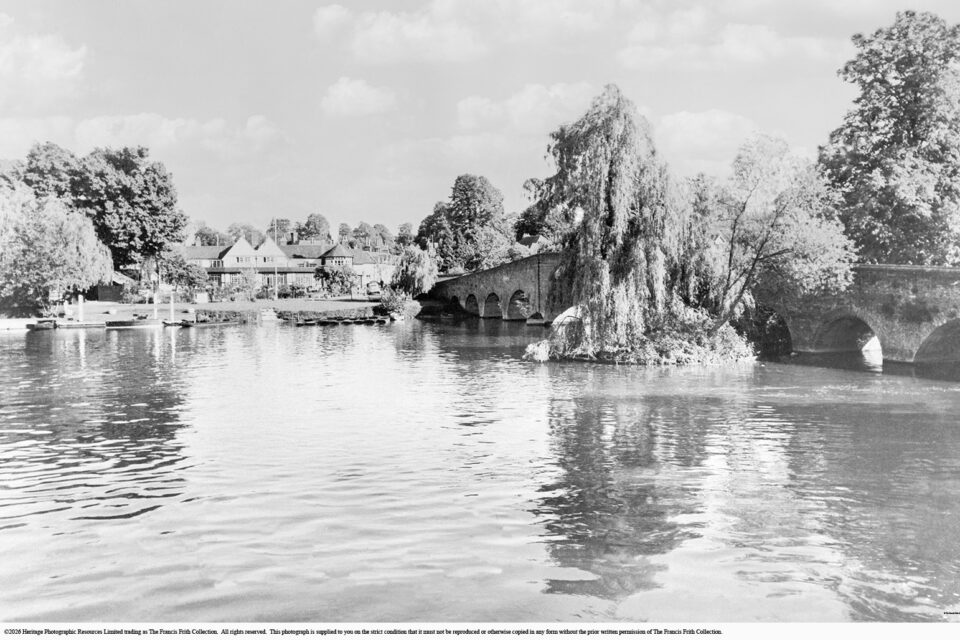
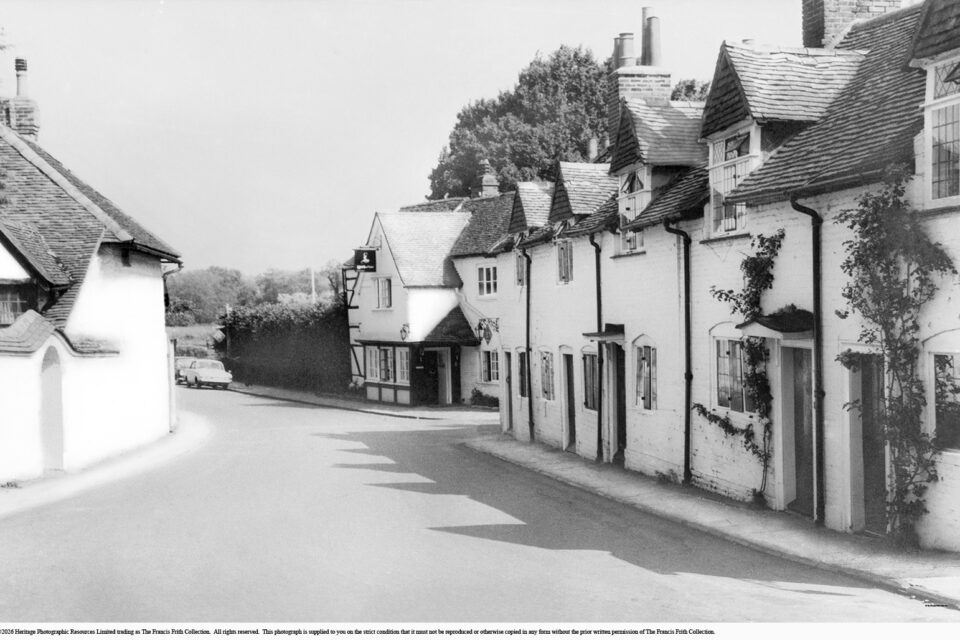
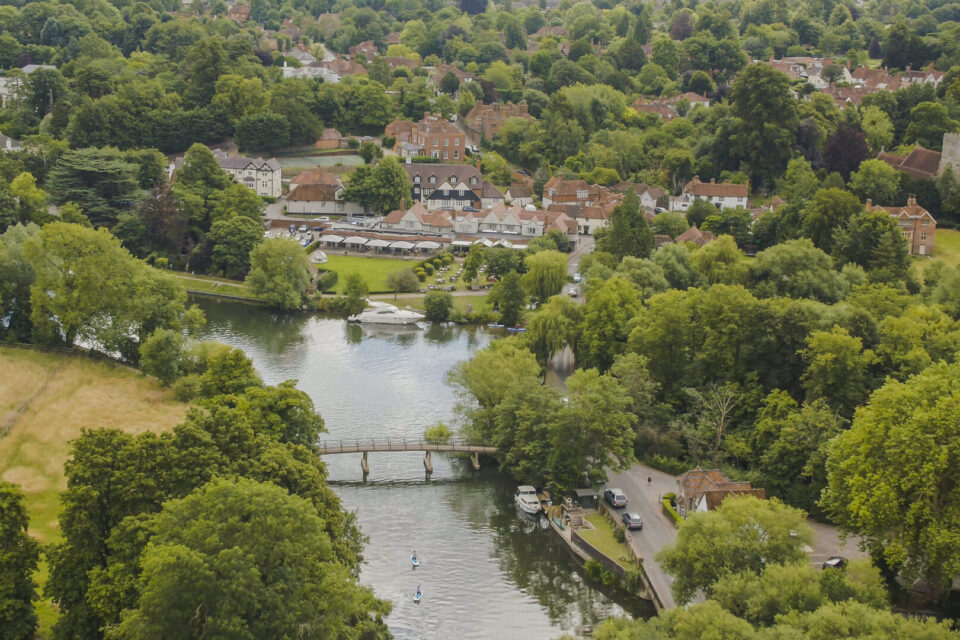
Tucked along a quiet bend of the River Thames in Berkshire, the village of Sonning is one of England’s most quietly remarkable places. With its eleven-arched bridge, ancient church, and water meadows stretching to the horizon, it can feel like little has changed here for centuries. In many ways, that’s because very little has. The bones of Sonning are medieval, its story is royal, and its connection to the Thames is as deep as the river itself.
A Village Shaped by the River
Long before Sonning had a bridge, it had a ferry. In the 12th century, a ferryman’s dwelling stood on what is now the site of The Great House, serving travellers who needed to cross the Thames at this point. The river was both the village’s lifeblood and its boundary, and the dwelling that served the crossing laid the foundations for centuries of hospitality on this very spot.
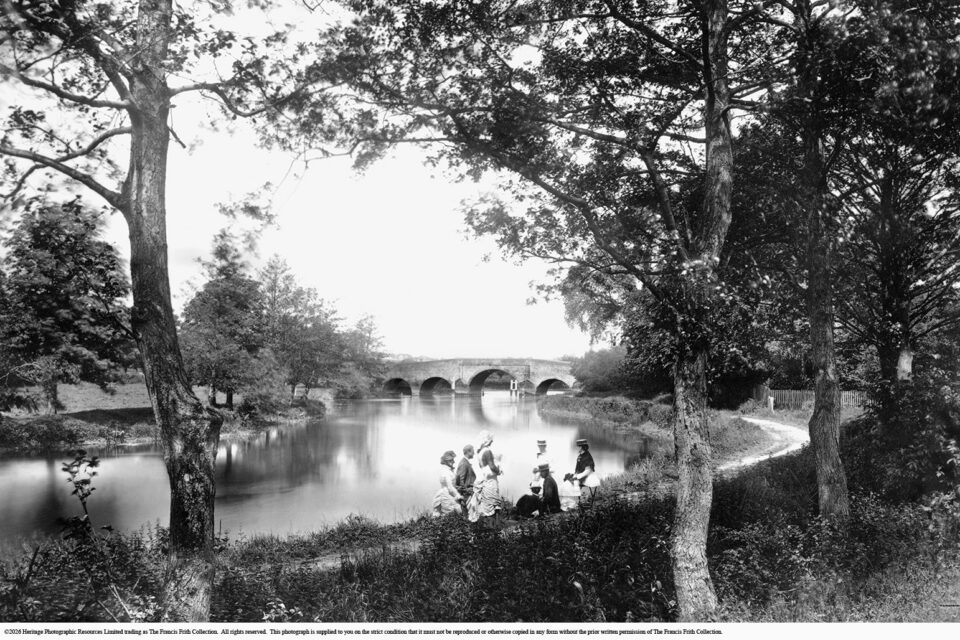
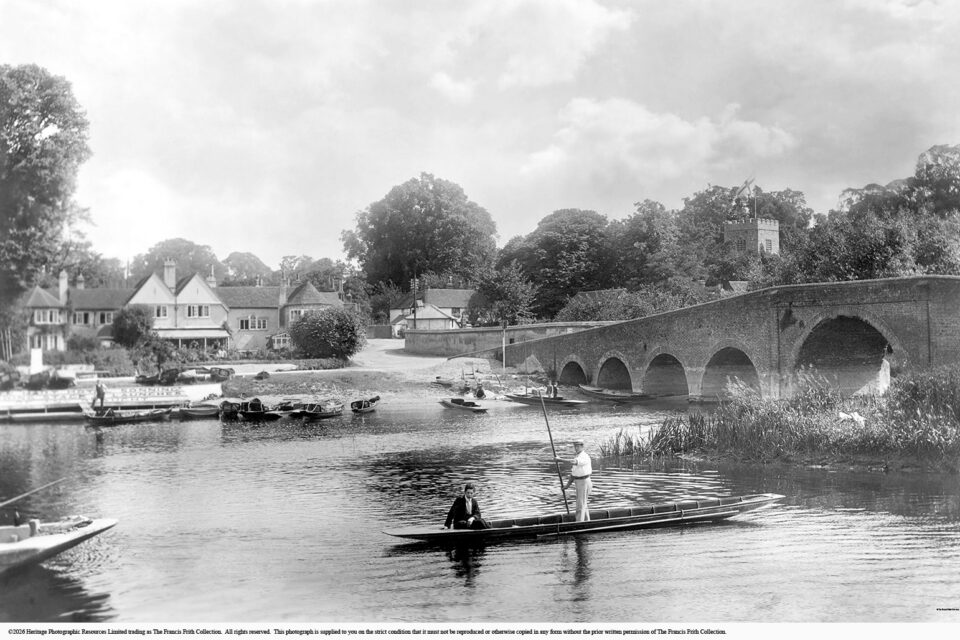
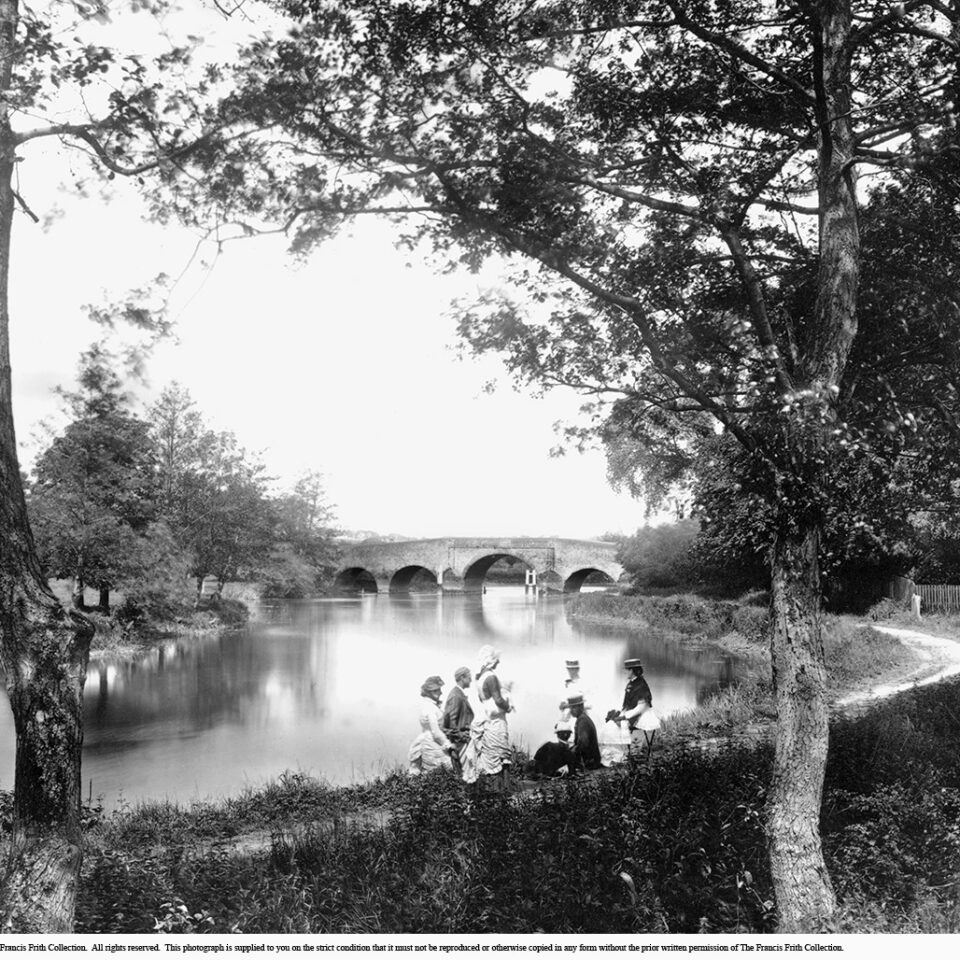
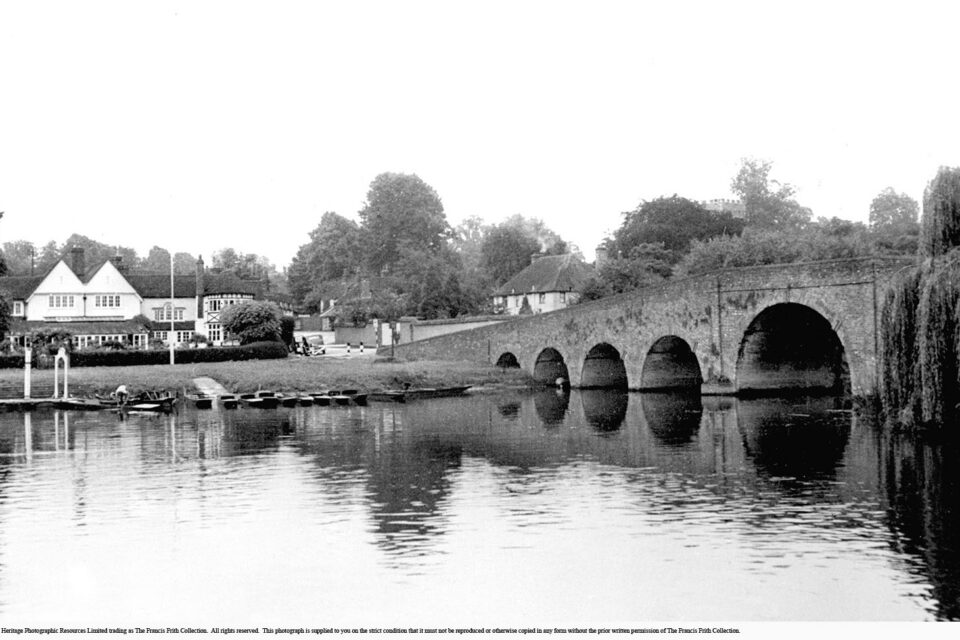
The bridge that eventually replaced the ferry, the graceful, eleven-arched Sonning Bridge, was built in 1775 and has become one of the village’s most beloved landmarks. Local legend claims it served as an escape route for the notorious highwayman Dick Turpin, though the bridge’s more enduring legacy is simply the quiet beauty it lends to this stretch of the Thames.
A Royal Connection
Sonning’s most dramatic chapter comes from the pages of royal history. King Richard II, whose personal badge was a white hart (a white stag), had a deep connection to this village. After Richard’s death, his young wife Isabella of Valois was held at the Bishop’s Palace in Sonning, a moment that bound the village to one of medieval England’s most turbulent reigns. The inn that stood here for centuries bore the name the White Hart, a lasting tribute to that royal association, and one it carried all the way into the 20th century.
The Bishop’s Palace itself speaks to Sonning’s significance in the medieval church. The village was a seat of the Bishops of Salisbury for generations, giving it an ecclesiastical importance far exceeding its modest size.
The Victorian Discovery of Sonning
By the 19th century, Sonning had acquired a new kind of admirer. As the Victorians fell in love with the River Thames as a leisure destination, immortalised by Jerome K. Jerome in Three Men in a Boat, artists, writers and well-heeled holidaymakers began making their way upriver. Sonning’s idyllic setting drew visitors who came to walk the towpath, drift along the water and breathe the clean Berkshire air. The village became a retreat from the noise of the city, a quality it has retained ever since.
A Literary and Creative Legacy
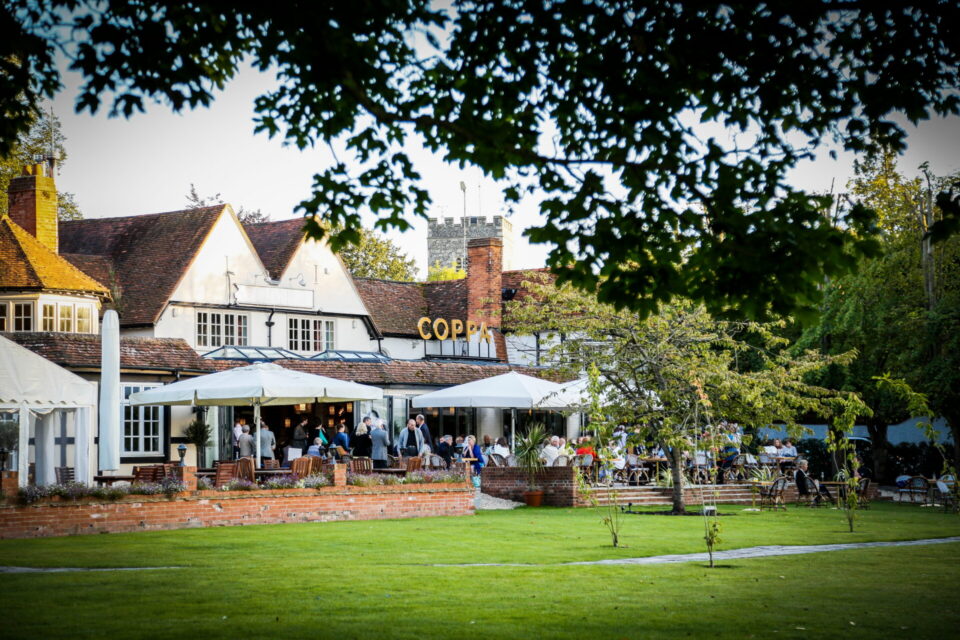
Sonning’s most celebrated 20th-century resident is Sir Terence Rattigan, one of Britain’s finest playwrights, who lived at the Red House, adjacent to what is now The Great House, between 1945 and 1947. It was one of the most productive periods of his career, and the tranquil beauty of the Thames Valley clearly provided the right conditions for creativity. The Red House and the ancient White Hart inn would later be united as a single property, forming the heart of The Great House as it exists today.
Sonning Today
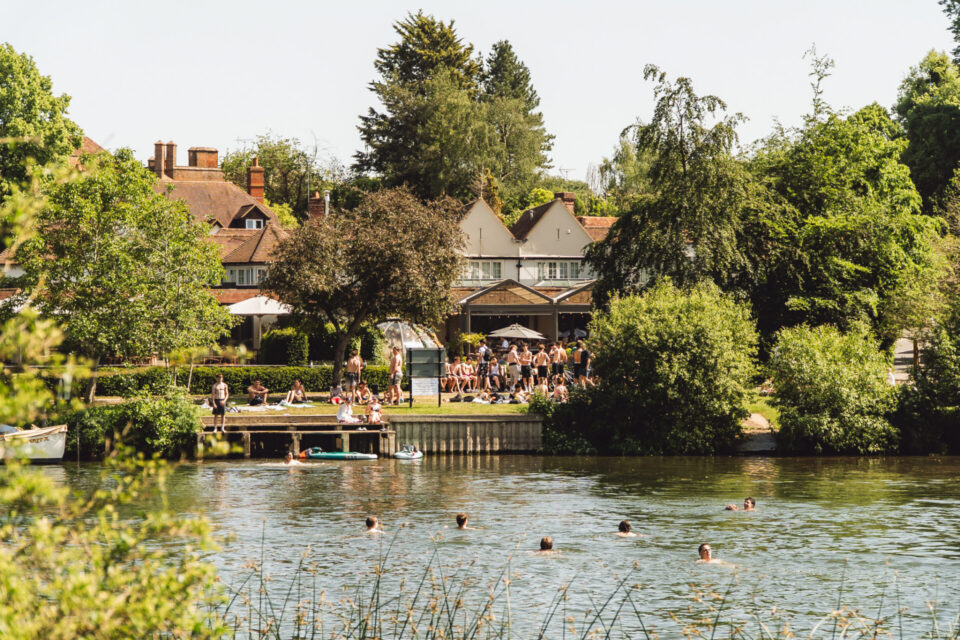
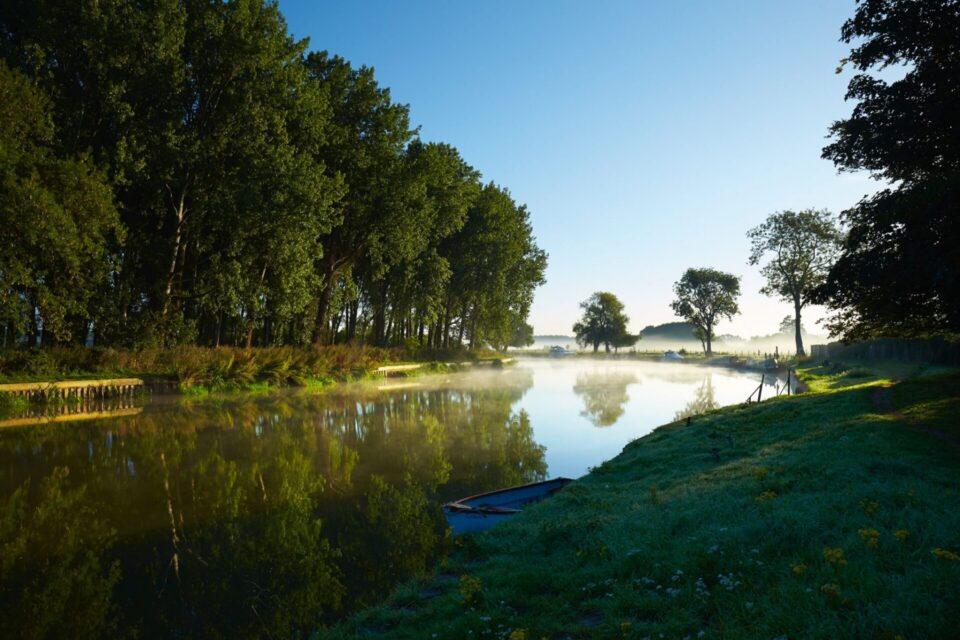
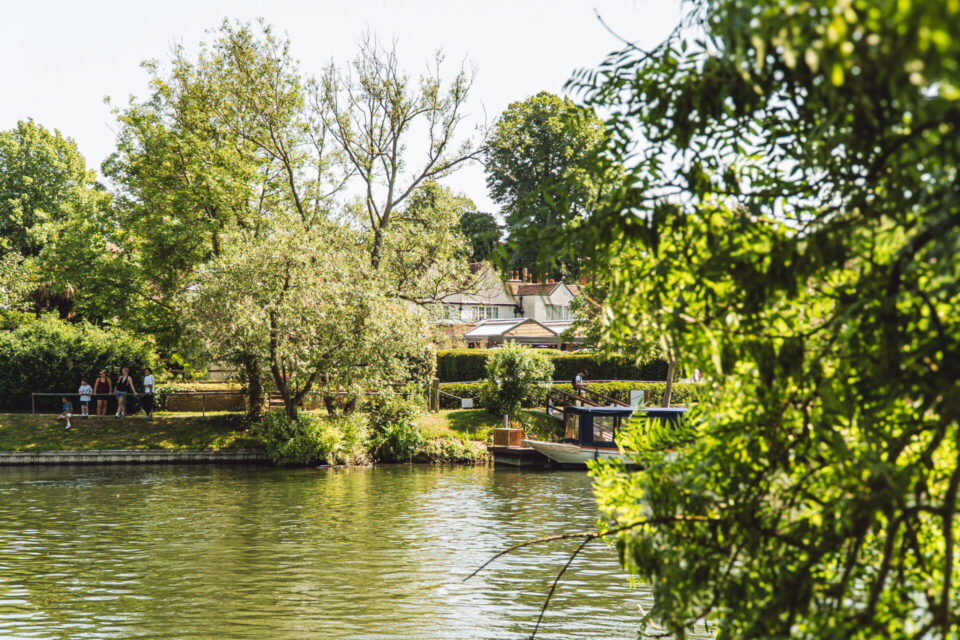
Today, Sonning remains a village of extraordinary character. The river still defines life here. Kayakers and paddleboarders share the water with pleasure cruisers, walkers follow the Thames Path through meadows that feel worlds away from Reading’s urban sprawl just a few miles downstream, and visitors come to sit by the water and let time slow down.
The Great House at Sonning carries all of this history within its walls, from the 16th-century Palace Yard to the 17th-century Coach House. But its story is far from finished. It remains, as it has been for nearly a thousand years, a place where the river shapes the rhythm of life and where travellers, royal or otherwise, have always been made welcome.
 Back
Back